24/7 Emergency Service
Family Owned & Operated


Preparing your HVAC for winter means making sure your heating equipment and related components run safely, efficiently, and reliably when temperatures drop. That preparation typically includes inspections, cleaning, calibration, and any targeted repairs that lower the risk of breakdowns, improve heating performance, and protect your household from hazards like carbon monoxide. This guide walks you through what a professional pre-winter tune‑up covers, a homeowner’s winter checklist, practical steps to prevent cold-weather damage, and heat-pump specific prep for colder climates. You’ll also get clear DIY boundaries, warning signs that need a pro, and the reason proactive furnace service pays off. The sections below follow a logical order: professional tune‑up tasks, a step‑by‑step homeowner checklist with safety notes, winter-protection strategies including insulation and weatherproofing, why furnace winterization matters, heat-pump winter prep, and the measurable benefits of scheduling service before temperatures fall.
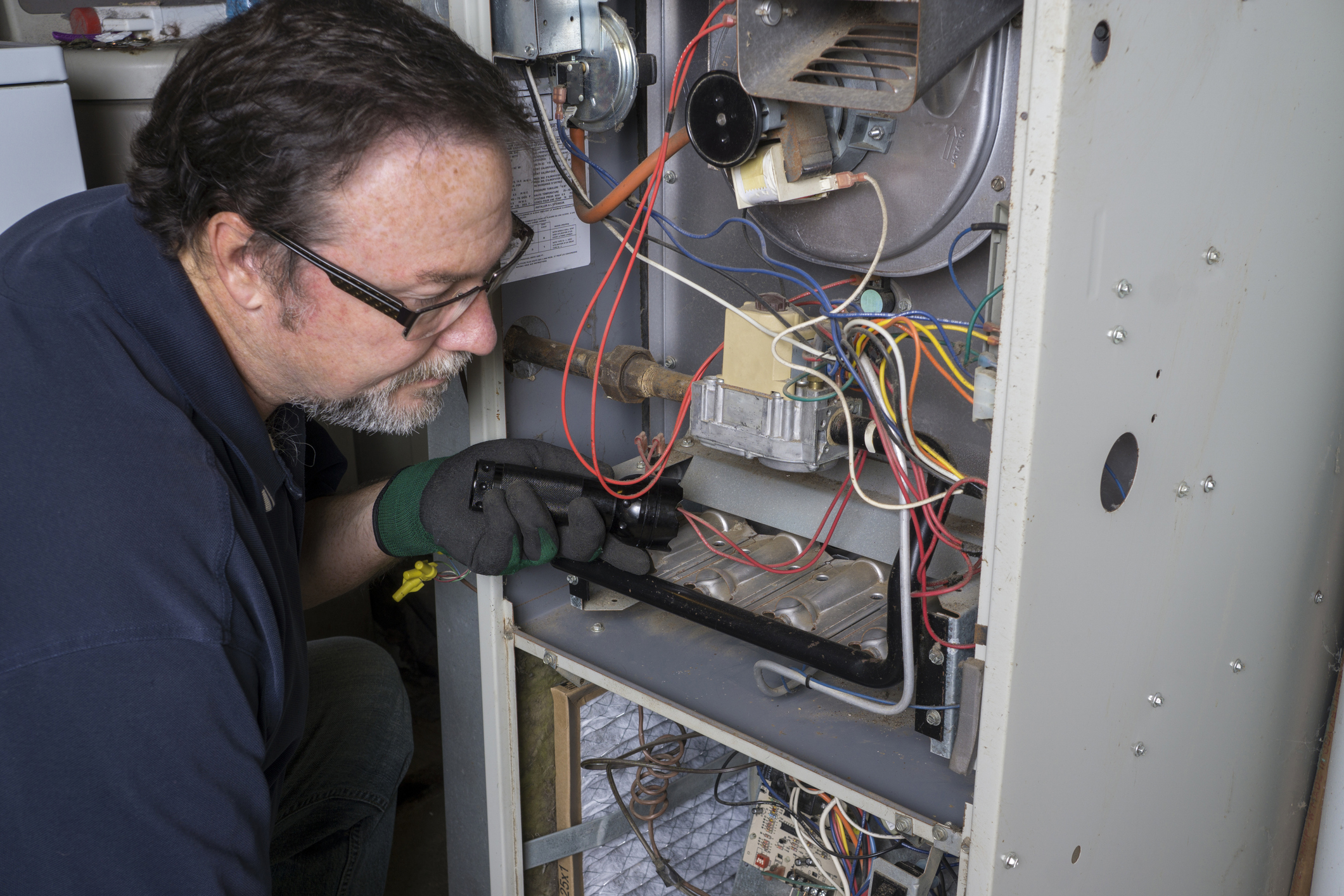
A professional heating tune‑up is a step‑by‑step inspection and maintenance visit designed to make furnaces, boilers, and heat pumps operate safely and efficiently through the cold months. Technicians work through a standard sequence: check combustion and the heat exchanger, verify filters and airflow, test electrical components and the thermostat, lubricate moving parts, and run performance checks to confirm proper ignition, cycling, and safety-control responses. This organized approach cuts the chance of mid‑winter failures and improves fuel or electrical efficiency by correcting calibration and removing buildup. Knowing exactly what a technician does helps homeowners understand the value of a tune‑up and why some tasks should be left to trained professionals.
Technicians usually start with safety and combustion testing, move on to airflow and electrical systems, then finish with performance verification. Those steps restore intended efficiency and reveal worn parts that should be replaced before heavy winter use. The result: a safer home, steadier indoor comfort, and fewer emergency repairs when it’s coldest outside. Below is a concise comparison of common tune‑up tasks, what a technician inspects, and the expected result.
A standard technician tune‑up typically includes these core checks and adjustments:
These items form the backbone of furnace winterization and set the stage for the efficiency gains described later.
Winterization improves efficiency by restoring correct combustion and airflow so the system moves heat into your home instead of wasting fuel or electricity. A technician cleans burners and the heat exchanger, adjusts the fuel‑to‑air ratio, and makes sure filters and blowers are delivering the right airflow—actions that shorten run times and increase heat output for each unit of fuel or power. Thermostat calibration and control checks cut down on unnecessary cycling and help maintain steadier temperatures. Because each correction targets a specific mechanical or control inefficiency, the combined result is a noticeable improvement in seasonal heating performance and comfort.
A tuned furnace also handles heavy load more smoothly and is less likely to fail in an emergency. Better efficiency means fewer blower starts and stops, which reduces electrical use and component wear. Those improvements generally lead to fewer repairs and more predictable heating costs—another reason to schedule a pre‑winter tune‑up.
Preparing a heat pump for winter focuses on reliable cold‑weather performance: verify defrost control operation, check refrigerant charge and leaks, inspect the reversing valve and contactors, and test auxiliary heat. Technicians confirm the defrost cycle runs and ends at proper temperatures so outdoor coils clear without wasting energy. Refrigerant checks protect heat‑transfer capacity, while valve and contactor inspections ensure smooth mode switching. Finally, backup heat sources are tested so they kick in when temperatures fall below the heat pump’s effective range.
These checks help avoid common cold‑climate problems like extended icing cycles or reduced capacity and make sure backup systems deliver heat during sudden cold snaps. If you use a heat pump as your primary heating source, these steps protect comfort and reduce the chance you’ll need emergency service during peak cold.
If you’re ready to schedule service, please contact Evergreen Heat & Cooling to set up a pre‑winter tune‑up in Manheim, PA.
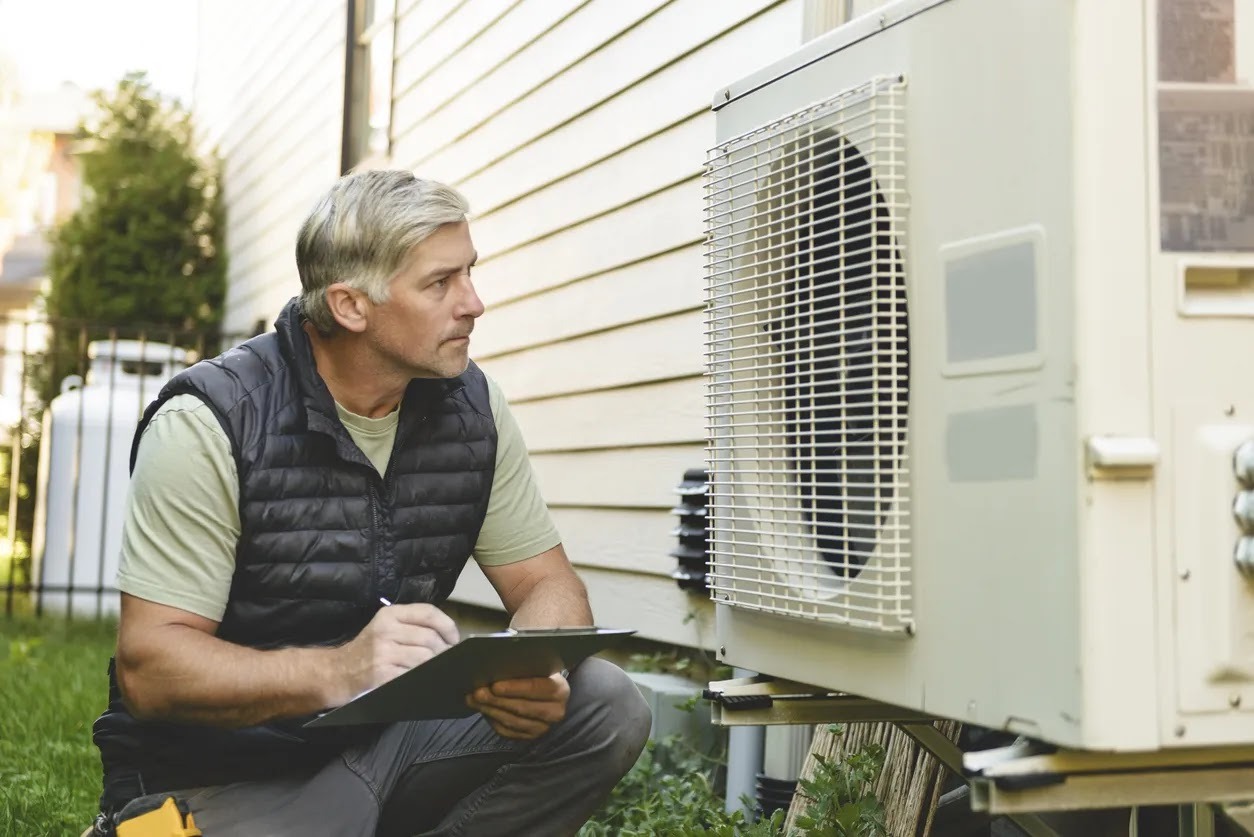
A homeowner’s winter checklist lists safe, high‑impact tasks to do before and during cold weather to support system performance and catch problems early. Focus on simple actions—replace filters, program thermostats for winter, inspect visible ductwork and vents, test carbon monoxide detectors, and keep outdoor equipment clear of snow and debris. Each item reduces heat loss, improves airflow, and flags warning signs—like odd noises or smells—that mean it’s time to call a technician. This checklist balances what you can safely do yourself with items that require a trained pro to protect safety and system longevity.
Below is an easy, numbered checklist with short actions and safety notes.
This checklist highlights homeowner tasks and points out where professional inspection is safer. The table below shows which actions are DIY and which should be handled by a technician.
Use this table to prioritize safe, effective tasks and know when to call a professional. After you complete the DIY items, consider scheduling a pro for the items listed as “No.”
Need help? Call Evergreen Heat & Cooling to schedule service or get more information for homeowners in Manheim, PA.
There are several important winter maintenance tasks homeowners can handle with basic tools and care. Start with replacing disposable filters every month during heavy heating use and cleaning reusable filters according to the manufacturer. Check supply and return vents for blockages and move furniture or curtains that restrict airflow. Seal small, visible duct gaps with mastic to reduce heat loss. Keep a log of unusual noises, persistent cycling, or odd smells and call for service if those symptoms continue.
These DIY steps help performance, but stop and call a technician if you smell combustion, notice persistent uneven heating, see soot, or feel unsure about accessing equipment. Knowing your limits prevents unsafe DIY attempts and ensures that combustion and refrigerant work stays with qualified professionals.
Book professional HVAC winter service in the fall—ideally several weeks before sustained cold arrives—so there’s time for repairs or parts replacement. Annual tune‑ups are a good baseline; systems with heavy use or older equipment may need more frequent checks. Call a pro right away if you notice irregular heating, sudden spikes in energy bills, strange odors or soot, frequent short cycling, or an activated carbon monoxide alarm. Addressing problems early avoids emergency breakdowns in extreme cold and helps keep the system efficient.
Technicians can also point out insulation and duct‑sealing priorities during an inspection so you can plan upgrades cost‑effectively. Scheduling before winter’s peak demand lowers the chance of urgent, expensive repairs when service windows are tight.
Protecting your HVAC system for winter combines outdoor‑unit care, proper condensate and drainage management, insulating exposed ducts and pipes, and making sure combustion hazards are detected. Keep outdoor heat pumps and condensers clear of snow, ice, and debris; where appropriate use breathable covers or wind baffles that don’t restrict airflow. Insulate exposed refrigerant lines, water pipes, and ducts in unconditioned spaces to prevent freezing and reduce heat loss. Maintain and test carbon monoxide detectors and ventilation as the building envelope gets tighter for the season.
A planned protection strategy reduces the chance of frozen components, cracked heat exchangers, and other cold‑weather failures that often occur when systems are pushed without preparation. The list below summarizes practical preventive actions homeowners and professionals can take. You can refer to maintenance plan for more information.
Following these protections minimizes winter damage and helps your HVAC run efficiently. The next section covers common winter problems and how to avoid them.
Common winter problems include frozen outdoor coils, clogged filters that reduce airflow, ignition or pilot failures on combustion systems, and carbon monoxide risk from a compromised heat exchanger. Prevent frozen coils by keeping outdoor units clear and verifying defrost cycles on heat pumps. Replace filters regularly to avoid restricted airflow and blower strain. Schedule professional combustion inspections to catch pilot or ignition issues and heat‑exchanger cracks before they become dangerous. And always maintain working carbon monoxide detectors as a final safety layer.
Proactive maintenance, routine homeowner checks, and timely professional inspections together prevent most winter failures and extend system reliability. Understanding these common failure modes helps you prioritize the steps that offer the most protection during cold weather.
Insulation and weatherproofing directly lower heating demand by slowing heat loss through walls, attics, and ductwork—so your HVAC runs less and parts wear more slowly. Good attic and wall insulation, sealing duct leaks, and weatherstripping doors and windows reduce thermal leaks and drafts, helping the system maintain steady setpoints with less energy. Insulating ducts in unconditioned spaces prevents distribution losses and improves delivered temperature and comfort. These building‑envelope improvements compound the gains from mechanical tune‑ups, resulting in better efficiency and fewer service visits.
Better insulation also narrows temperature swings, stabilizing comfort and reducing thermostat adjustments. Pairing weatherproofing with mechanical maintenance gives the best winter performance for your home.
Scheduling a professional tune‑up before winter delivers several clear benefits: better energy efficiency, lower risk of mid‑season breakdowns, improved safety through combustion checks, and longer equipment life thanks to early fault detection. A pre‑winter tune‑up also gives you documented findings and prioritized recommendations so you can budget for repairs before prices and demand spike. The overall effect is a more reliable, safer, and often more economical heating season. The table below maps common winter problems to tune‑up interventions and homeowner benefits.
These examples show how tune‑up work translates into measurable homeowner advantages and reinforce the value of pre‑winter service. Ready to protect your system? Contact Evergreen Heat & Cooling to schedule a tune‑up in Manheim, PA.
Regular winter maintenance keeps your heating system running safely and efficiently. It helps prevent unexpected breakdowns during cold weather, lets technicians catch issues early, and extends equipment life. Well‑maintained systems use less energy, which lowers utility bills, and they provide more consistent indoor comfort—so your home stays warm and safe all season.
Look for even heating throughout the house, absence of odd noises, and no unusual smells when the system runs. Check that filters are clean and vents are unobstructed, and test the thermostat to confirm it holds temperature. If you notice fluctuating temperatures or higher energy bills, schedule a professional inspection to make sure your system is winter‑ready.
If your system fails, first check carbon monoxide detectors and ensure safe ventilation. If you suspect a serious problem, turn the system off and contact a licensed HVAC technician immediately. Use alternative, safe heating sources if needed and keep combustible materials away. Have a backup plan—such as staying elsewhere—if repairs will take time.
Yes. For heat pumps, confirm the defrost cycle works, verify refrigerant levels and check for leaks, and inspect reversing valves and contactors. Keep the outdoor unit clear of snow and debris, and test auxiliary heat to ensure it engages when temperatures fall. These steps help maintain efficiency and prevent ice‑related failures.
We recommend scheduling professional service at least once a year—preferably in the fall before winter arrives. Annual tune‑ups let technicians catch and fix issues before heavy use. If your system is older or runs a lot, consider more frequent inspections to keep performance and safety on track.
Immediate attention is needed for uneven heating, loud banging or rattling noises, a yellow or flickering pilot light, or if your carbon monoxide alarm activates. Sudden rises in energy bills or visible soot are also urgent signs. Contact a professional right away if you see any of these symptoms.
Taking time to prepare your HVAC system for winter ensures safer, more efficient, and more reliable heating through the cold months. Scheduling a professional tune‑up helps prevent breakdowns, improve energy efficiency, and keep your home comfortable. Act now to protect your investment and enjoy a cozier winter—contact Evergreen Heat & Cooling today to schedule your winter HVAC maintenance in Manheim, PA.


Enjoy flexible financing options that make upgrading or repairing your HVAC system easy and budget-friendly.